
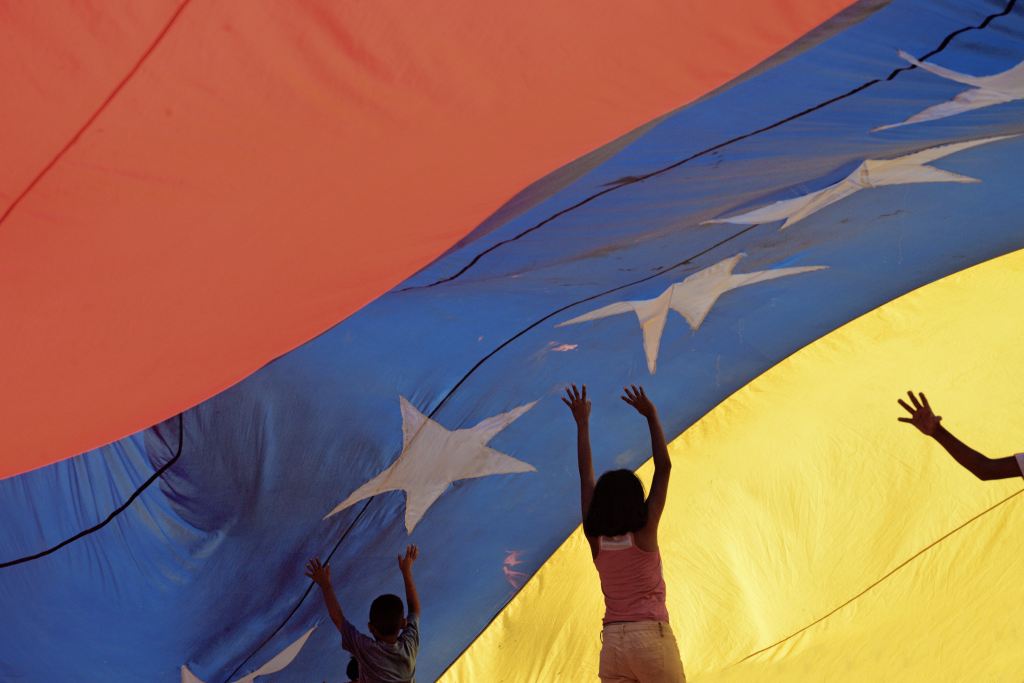

A recent vote in Venezuela to annex part of Guyana has stirred further tension and fear within the already tense South American country.
According to the Venezuelan Government, the nation has approved a referendum which was called by President Nicolás Maduro Moros to claim sovereignty over the disputed Essequibo region of Guyana.
The National Electoral Council in Venezuela claimed that more than 10.5 million ballots were cast, and 95% of those votes were in favour. The Essequibo region spans nearly 160,000 sq km and is home to c.200,000 Guyanese people.
The Essequibo region which Venezuela argues was stolen when the border was drawn in 1899, is rich in mineral and oil reserves.
Worryingly, tensions are already flaring between the two nations since the result of the vote, with Venezuelan officials saying that troops have been deployed to carry out operations against illegal mining, and officials in Guyana claiming that Caracas was preparing to enforce the referendum’s outcome.
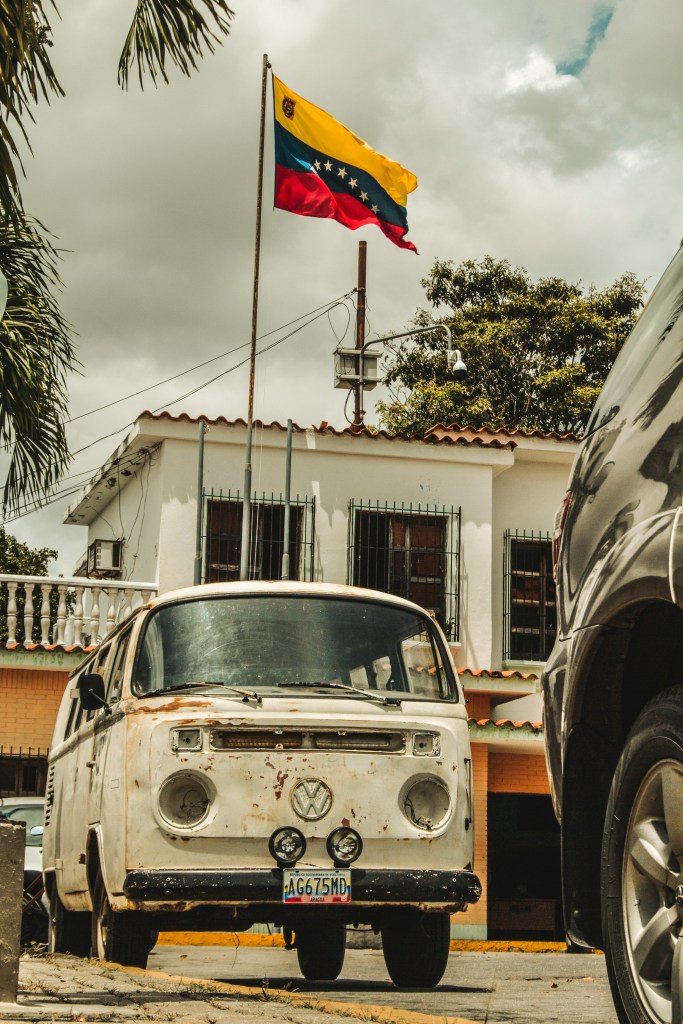
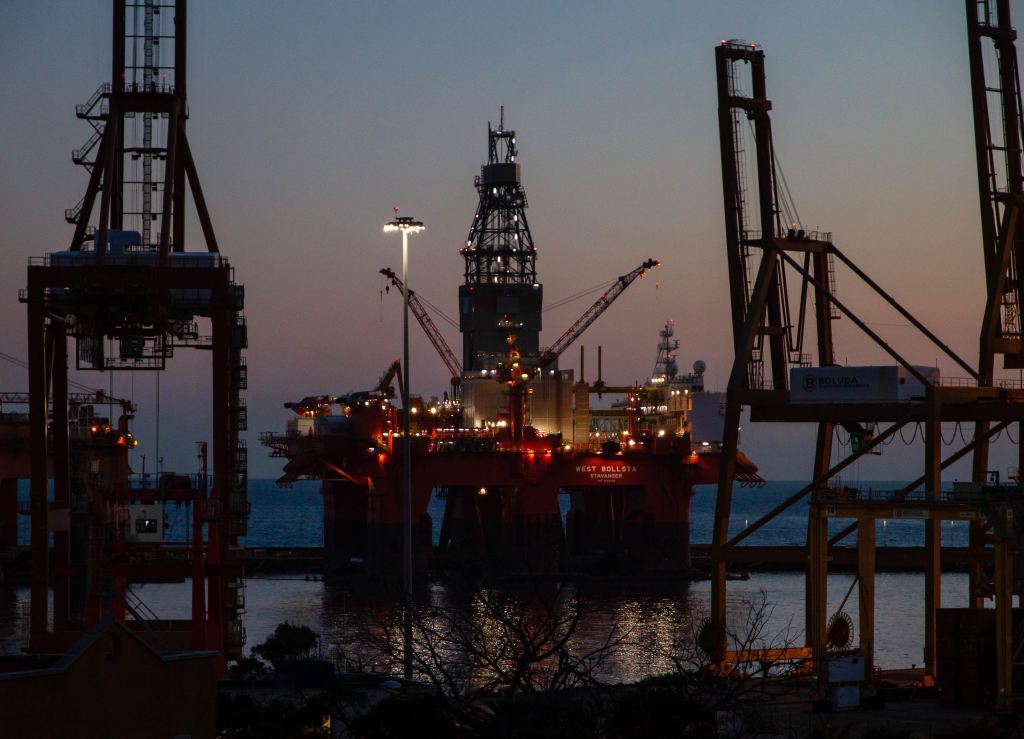
This latest update in Venezuela follows continued economic, social, and political instabilities. But it wasn’t always this way. In the mid-20th century, the country was one of the wealthiest nations in South America. After the discovery of oil in 1914, Venezuela’s economic landscape changed to propel it into an era of affluence.
During this time, citizens had a higher standard of living, as the government at the time invested generously in social programmes, education, and infrastructure.
However, the reliance on oil as a main source of income in the nation would later become a hinderance because of global oil prices fluctuating. The over-reliance on oil left Venezuela vulnerable to the global market volatility.
In the late 20th century, Venezuela’s political landscape became increasingly polarised. With the two dominant political entities, the Social Democratic COPEI party and Acción Demócratica struggling to address the county’s economic troubles effectively.
As a result, corrupt practices within government grew, alongside widespread mistrust across the nation.
But things changed in 1998 when Hugo Chávez was elected President.
Chávez, a charismatic populist saw the widespread dissatisfaction among the Venezuelan people, and promised real change, promising to eradicate corruption, improve social equality, and challenge the influence of foreign forces, particularly that of the United States.
Chávez began a series of social reforms, notably the implementation of social welfare programmes known as the Bolivarian missions. The programmes included efforts to provide housing for the poor, reimagine education, improve access to healthcare, amongst many more. However, these programmes sparked tensions within the business sectors as well as foreign investors.
Additionally, tensions grew as a result of the emerging authoritarian nature of some of the country’s new laws, including reducing freedom of the press, as well as consolidating power in the executive branch , (enforcement of laws).
Since Chávez’s death, his chosen successor, Nicolás Maduro has been at the helm of a country facing uncertainty. Yet Venezuela’s story has gotten even more disheartening because of Maduro.
Outsiders will call Venezuela’s political landscape a ‘failure of socialism’. The truth is that the nation lives under a dictatorship under Maduro which compared to the past, makes Chávez’s Venezuela look like a haven. The oil-rich nation’s division of wealth has become so incredibly contorted and squeezed, that inflation in October 2023 stood at 362% according to Economía Hoy.
The last ten years has seen devastating humanitarian crises within Venezuela due to the exorbitant inflation. More than 7 million people have fled the country because of this, but those that stay have no other choice than to live under tyranny.
It is unclear when my beautiful country will gain its once great reputation as a leader in social reform, prosperity, and hope. The question of change lies within Maduro’s presidency and humanity.
 Equinox News
Leave a comment