
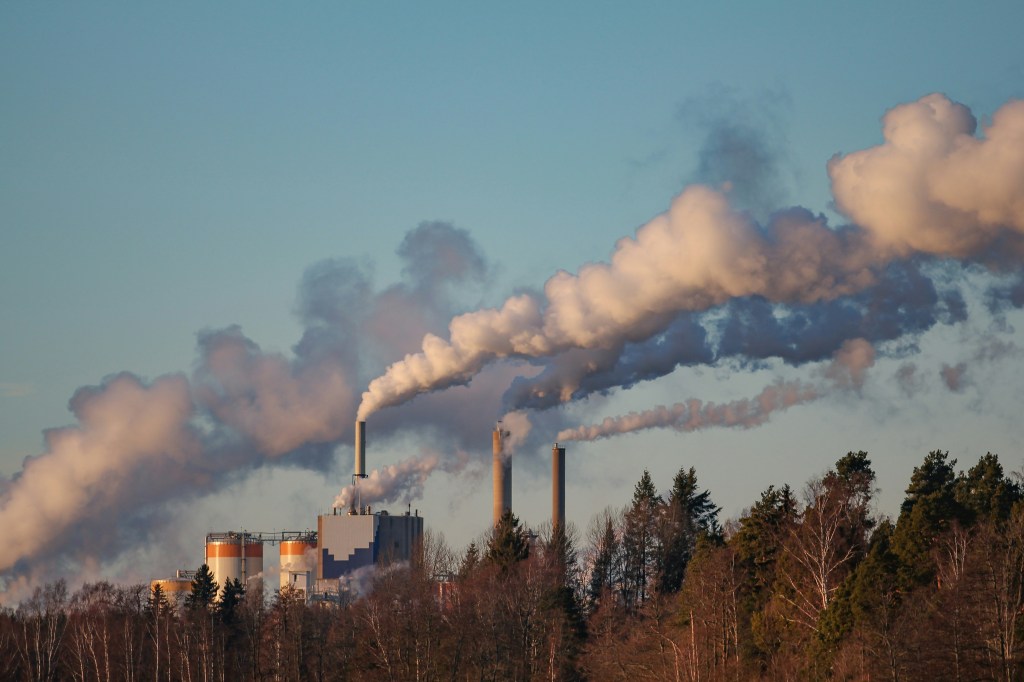
We are approaching a critical point at which we must ask ourselves what there is left to sacrifice.
Over the past few decades, instances of climate change atrocities have rung in the ears of governments across the globe, yet we are still teetering dangerously close to irrevocable rising temperatures. The United Nations determined in its Framework Convention on Climate Change (UNFCCC), that “stabilisation of greenhouse gas concentrations in the atmosphere at a level that would prevent dangerous anthropogenic interference with the climate system” should be achieved within a time-frame “sufficient to allow ecosystems to adapt naturally to climate change,” and to ensure that global food production is not threatened. (United Nations Framework Convention on Climate Change 1992).
Just a few years ago at the Paris Agreement, 195 countries promised to prevent global temperatures from not only rising by 1.5°C, but also to keep it that way. This was monumental, however the actions of many governments has so far suggested that these promises were empty.
Every day that goes by, a new deal is struck to give the go ahead for an offshore oil drilling site, tax breaks for the meat industry are agreed, greenbelt land is built upon, and more. If the leaders of these nearly 200 countries meant what they promised on that day, we would see more regulations to protect the interests of the planet and developing nations, over that of stakeholders.
The 1.5°C figure was established to prevent worst case scenarios from happening which include widespread habitat loss, species decimation, and global food stocks plummeting which would exacerbate the famines we already see today.
The Paris Agreement was signed just over seven years ago.
The Intergovernmental Panel on Climate Change (IPCC) has said that temperatures have now risen by 1.2°C above the pre-industrial era. Especially worryingly, it reports that areas in the Arctic have warmed by 3°C.
By now we know what the major contributors to climate change are. Fossil fuel consumption, deforestation for industrial purposes as well as for livestock, and emissions produced by animal agriculture as a whole, (think methane, crops grown for livestock, and water use), and transport.
But an issue we don’t speak enough of is that of overpopulation correlating with overconsumption. According to The United Nations Environment Programme, resource extraction has more than tripled since 1970, which includes a 45% increase in fossil fuel use. Extraction and processing of materials and food is responsible for more than 90% of biodiversity loss.
What is even more worrying is the unsustainable growth of the human population, as well as the unsustainable use of resources. We will get to a point at which the planet’s resources simply cannot sustain humans living on Earth. The world’s population is currently at 8.1 billion, having reached 8 billion in November 2023.
Yet we are not talking about this – at least not seriously. There are many problems that arise with a growing population. Food runs out, housing becomes more expensive because demand is high but supply is low, we waste more energy by burning more fossil fuels to accommodate more people, produce more clothes, create more things for people to buy, and so on. Waste production increases and quality of living for the poorest decreases.
Paradox
It is often the poorest countries which hold the highest fertility rates, and suffer the most. According to Population Matters, poorer countries tend to have larger families because when there is less economic stability, families will have children in order to provide economic support. This of course could have terrible consequences for the child or children in question. In some of these families, parents will often take their children out of education early and put them into work or marry off their daughters when they are very young, in an attempt to gain some economic stability. This is not fair, and is an issue very closely tied to overconsumption. But not as you would expect it.
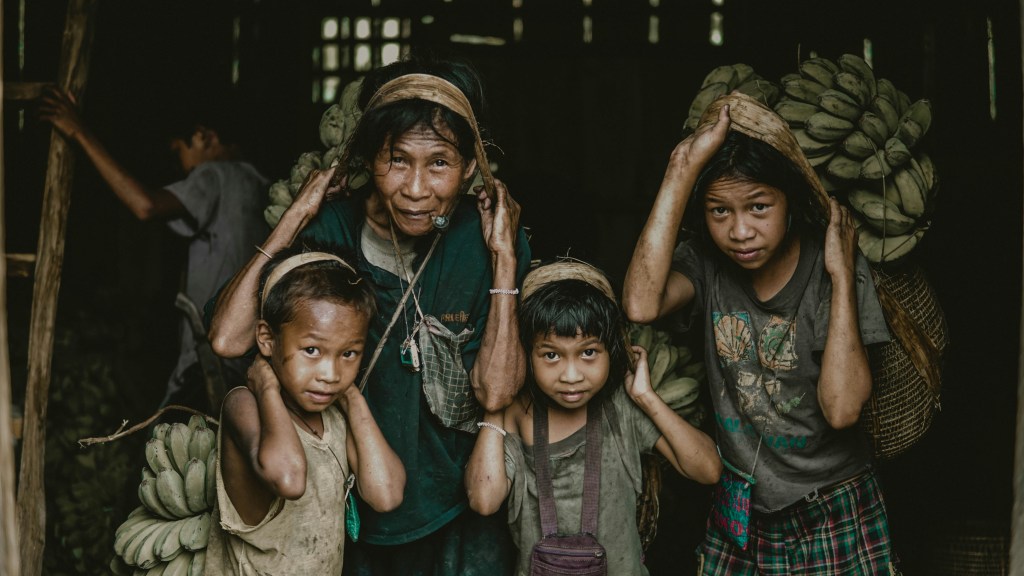
According to the International Monetary Fund, “high-income countries generate more waste per capita, in terms of aggregate volume,” this means that developed nations, although with smaller birth rates, actually produce more carbon emissions and waste than developing nations. These emissions destroy ecosystems, impacting first the poorest nations in the world. This in turn leads to economic instability for these developing nations, which will lead to larger families, as stated above, and create more instability because there are not enough resources to go around.
How do we create change?
Sustainable development across nations can only occur when a significant portion, (most), of the population has the right to healthcare, fair work, and the ability to contribute to economic growth. The United Nations Department of Economic and Social Affairs lays out 17 development goals which include no poverty, access to clean water, access to education, clean energy, protection of ecosystems both on land and in the oceans, responsible consumption of resources, and more. In order to pursue these solutions, “increased investment from member states and donor governments is needed in policies and programmes that work to make the world safer and more sustainable,” the United Nations Population Fund states.
Strategic policies
There are many routes we can take to limit some of the emissions we create.
One such method, if implemented correctly, (meaning no loopholes which can be exploited by corporations), is through robust cap-and-trade programmes aimed at reducing the level of carbon dioxide a company can reasonably produce.
A strong programme would give companies incentives to not only reduce their outputs but also encourage them to invest in cleaner sources of energy. If a company surpasses the cap, it will be taxed at a predetermined rate. Additionally, the taxed amount should be put directly into programmes which promote sustainability and social equity. However, critics suggest that if the initial cap is too high for a company, it may not incentivise it to invest in cleaner energy over a prolonged period of time, so a realistic agreement must be made beforehand. Another consideration is that there are many companies which have stakeholders with interests that clash with protecting the environment – this could lead to pushback. This is why enforcing strict laws that prioritise the environment and social equity over private interests are so important. To do this, governments must be on board.
In a similar vein, subsidies should be reallocated from harmful business practices to more sustainable ones to make industries like agriculture, manufacturing, logistics, transportation, and energy less polluting.
And on the policy side of things, transparency around sustainability reporting from all businesses should be mandatory, regulated, and fact-checked by a non-biased party. These reports should be made publicly available and be scrutinised by government.
The circular economy
A popular phrase which has been circulating, (no pun intended), over recent years is that of the circular economy. Reducing, reusing, and recycling have become buzz words for marketing teams around the world to throw onto products – an attempt to clear consciences and make business leaders feel as though they are ‘doing a good job’. But what does a circular economy mean and how do we get to one?
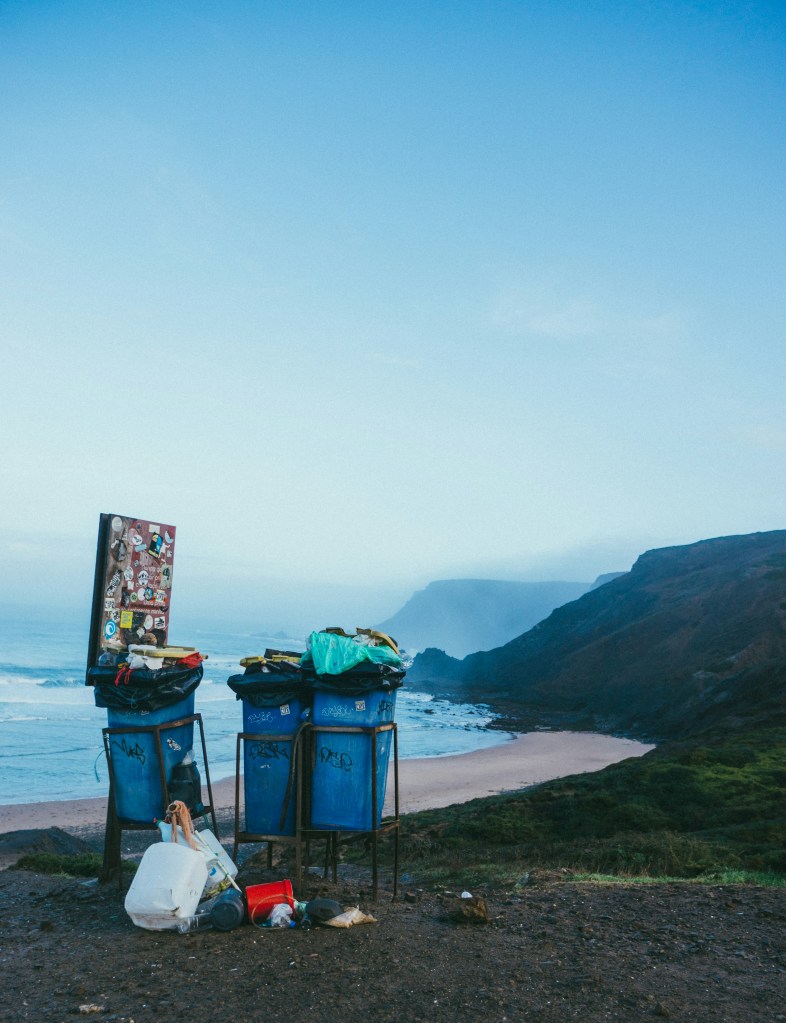
The Organisation for Economic Co-operation and Development, (OECD) published data which shows that we produce 350 billion tonnes of plastic waste a year. All of it either goes into landfills, (sold off to developing countries), or goes into the ocean, which again, typically affects the poorest nations in the world. That’s terrible enough without considering all the other ways we produce waste.
Tackling this problem directly will be the best way we can create a more sustainable and fairer world. A circular economy is one which emphasises the need to design products which can be used for longer, promotes industries which strive for resource efficiency through improved production processes, and encourages the reusing and repair of existing goods.
Of course, recognising the growing world population should be a wakeup call, and a signal to us that we need to do something. We could get to a point where temperatures are too hot to exist in – which has already happened in some parts of the world – and where there aren’t enough resources to feed us all, but being honest about where we stand now will serve us as we work to create a more sustainable future. Not just for us, but for the planet.
 Equinox News
Leave a comment