
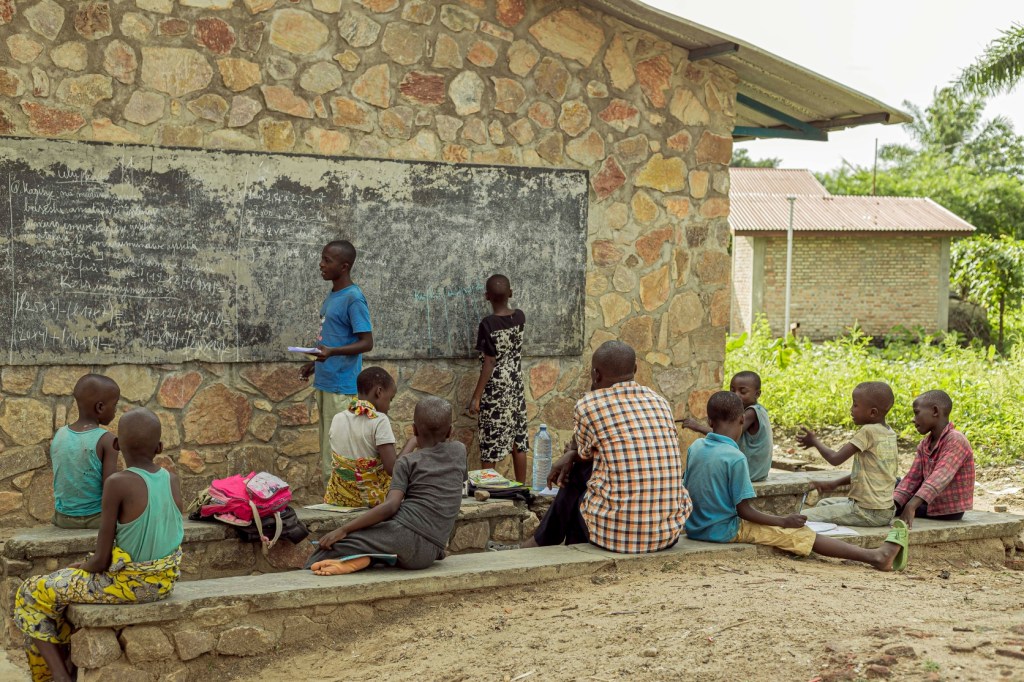
A report by UNICEF that analysed data from 106 countries has shed light on the global effect of climate change on the schooling of children across all ages.
One in 10 were affected in some way by climate hazards including floods, droughts, wildfires, storms, and heatwaves, which led to a shift to remote learning, shortened instructional time, reduced school attendance, and an increased risk of dropout for millions of students across the globe.
In its Learning Disrupted report, UNICEF found that disruptions that happened in the year 2025 alone could cost the affected students at least US$200 billion in lifetime earnings due to lost learning and ‘widening education inequities.’
More worryingly, three quarters of the children affected are from low and lower income countries.
Catherine Russell, Executive Director at UNICEF said that such climate disasters ‘push the most vulnerable children, especially girls, out of the classroom for good.’
Of the natural disasters, storms were the most disruptive, affecting 109 million students globally, with floods impacting 70 million, and heatwaves a further 50 million.
For many countries, there were multiple days and weeks worth of disruption throughout the year, with multiple types of natural disasters impacting the same regions.
Research conducted by Vrije Universiteit Brussel on behalf of the European Research Council (ERC) found that should global temperatures rise by 3.5°C by the end of the century, more than 90% of children born in the 2020s would face ‘unprecedented levels of heatwave exposure.’
However, if the temperature change is limited to the agreed 1.5°C, in line with the Paris Agreement, 49 million of these children could be protected from that risk.
Accounting for all children aged five to 18 today, this could either mean 1.5 billion affected under the 3.5°C scenario versus 855 million under the 1.5°C rise.
Echoing UNICEF’s study, the poorest will be the most impacted.
‘In this new study, living an unprecedented life means that without climate change, one would have less than a 1-in-10,000 chance of experiencing that many climate extremes across one’s lifetime,’ said lead author on the study, Dr Luke Grant.
The global south is disproportionally impacted by the effects of manmade climate catastrophes. And according to research by Global South Policy Review, vulnerable groups within the global south, namely women, children, and the disabled, suffer disproportionately ‘due to the adverse consequences of environmental risks as they are unable to move to less risky areas without the power to choose to relocate or not.’
Additionally, Global South Policy Review found that despite international frameworks which call for the inclusion of these vulnerable groups as well as others, in the leadership and decision-making process concerning structures on climate change, this sort of inclusion has been repeatedly overlooked by those in power.
Unless there is an adherence to such frameworks, it warns that women, children, and other vulnerable groups especially, will continue to suffer the devastating effects of climate change.


Leave a comment